
For this segment we want to ask you a rock related question and have you answer it in the comments section below! We will also give our own thoughts that you can discuss with us.
Question
How Important Were Small Clubs And Local Scenes To Rock’s Early Growth?
Fox’s Thoughts
Before rock filled arenas and festival stages, small clubs and local scenes gave the genre its heartbeat. All with their own particular style and flavour of rock. It was these smaller spaces that played a massive role in shaping both the sound and the community that allowed the genre to thrive. This defined both classic rock and the MTV era rock that was to follow.
So how important were small clubs and local scenes to rock’s early growth? Absolutely categorically essential.
The Birthplace Of Rock Energy: Small Clubs
Before year long world tours in stadiums and massive record deals, rock really was an underground movement. Bands needed to test their skills in small clubs, hone their craft. As well as building a following and experimenting with new sounds.
Historic venues like The Cavern Club in Liverpool, Whisky a Go Go in LA and CBGB in New York became launching pads for artists like. The Beatles, Led Zeppelin and The Ramones.
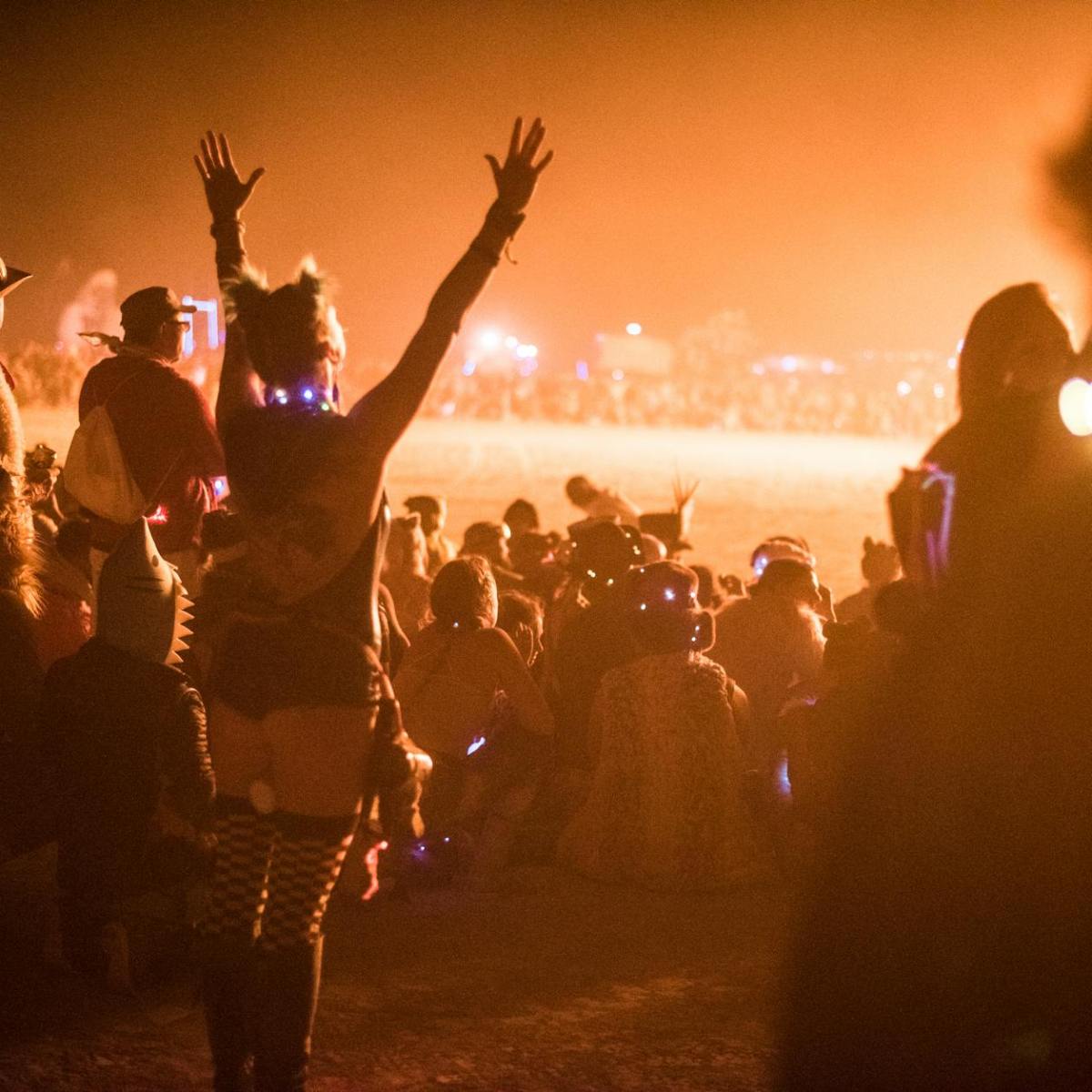
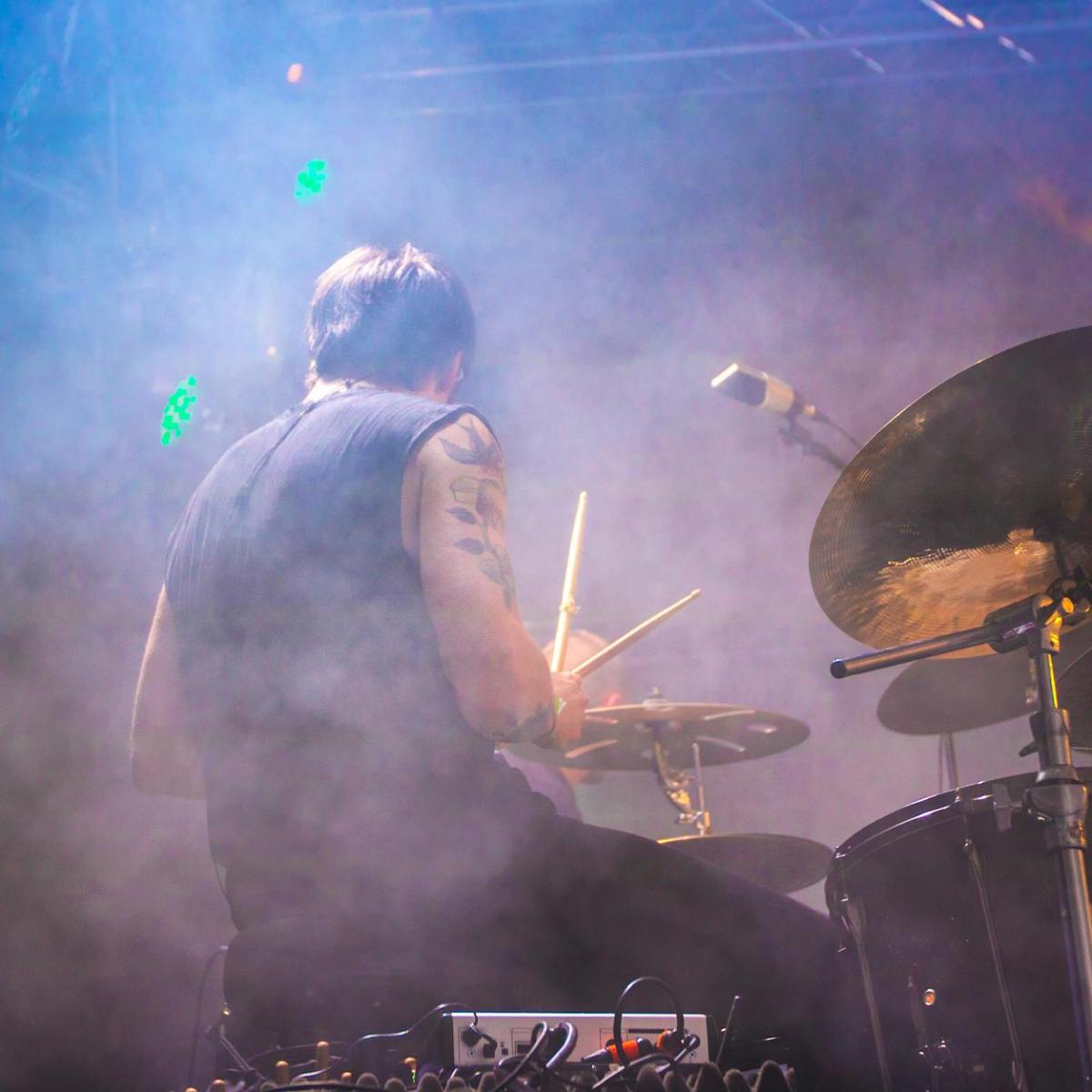
So what did these venues give these bands? An intimate space where fans could witness raw, unfiltered rock energy. Pyrotechnics left at the door, as were huge screens, just loud music, sweat and genuine connection.
Local Scenes Built Communities, Not Just Crowds
It was not just about the venue, but more about the wider community that was being created at these shows. A network for fans, musicians, promoters and even record shop owners who supported each other.
At this time word of mouth was king, a band could go from playing to twenty people one week to a packed room the next. All because fans could not stop talking! The communities built in these smaller venues became the bedrock for the global explosion rock music saw.
Experimentation Was Encouraged
Where major labels chase the safer side of things. The clubs offered something entirely different. No Rules! This added freedom allowed early rock bands the chance to experiment blending genres like Blues, Jazz, Country and then later Metal and Punk.
The local scenes in San Francisco, Detroit and London were absolute hotbeds of innovation and produced bands such as. Jefferson Airplane, The Stooges and T.Rex.
Rock music moved at a rapid pace because these bands were all influencing each other. Not by just listening to records but by watching shows, borrowing riffs and creating overnight movements. Most of which still exist today!
Escaping The Small Rooms
While the worlds biggest bands eventually escaped the small rooms. It was the loyal fan base built in them that propelled them to worldwide stardom. Van Halen didn’t debut to tens of thousands of people. No! They started in small rooms that stunk of sweat where they could feel the energy.
This connection without a doubt changed the bands performance styles and helped them build that fan loyalty. That later propelled these bands into arena, festivals and tv screens during the MTV era rock boom.
Why It Matters Today
Even today in the digital world that we are living in local scenes still matter. Some would argue more than ever! These small clubs offer rising bands the space to grow authentically without the pressures of bigger stages. They keep the spirit of rock alive and more importantly personal. Something that streaming your favourite song cannot do. So support your local club, it isn’t just for the nostalgia it is investing in the future of rock music.
Closing Thoughts
Small clubs and local scenes are more than a mere starting point. They were the heartbeat of early rock. Nurturing talent, building communities and allowing creativity to flourish long before radio airplay or record deals came along. Next time you see a gig poster at your local bar, remember: The next rock legend could be playing just a few feet away from you! That’s why small clubs and local scenes remain vital to the evolution of rock music today.






 Fox Reviews Rock
Leave a reply to traciesulpazo Cancel reply